March 31, 2026
Advanced Driver Assistance Systems (ADAS) play a vital role in modern vehicle safety, helping drivers avoid collisions and navigate the road more confidently. Because many of these systems rely on cameras and sensors mounted to or near the windshield, replacing the glass can disrupt their alignment. That’s why recalibration is a critical step after any windshield replacement. Understanding how ADAS works, why calibration matters, and what happens if it’s skipped can help vehicle owners make informed decisions that protect both safety and compliance.
ADAS and Its Role in Vehicle Safety
ADAS represents a major advancement in automotive technology, combining sensors, cameras, and onboard computers to assist drivers in real time. Features like lane departure warnings, adaptive cruise control, and automatic emergency braking are designed to monitor surroundings and respond to potential hazards. These systems don’t just provide alerts—they can actively intervene to prevent accidents.
However, ADAS systems rely heavily on precision. Calibration ensures that cameras and sensors correctly interpret distances, speeds, and road conditions. Even a slight misalignment can lead to incorrect readings or delayed responses. As a result, recalibration becomes essential after any repair that may affect sensor positioning, especially windshield replacement.
According to Global Growth Insights, over 85 models in 30 countries integrate ADAS systems into car windshields. This highlights how widespread and essential these systems have become. As more vehicles rely on this technology, maintaining proper calibration is no longer optional—it’s a key part of vehicle safety.
Key Components Supported by ADAS
ADAS systems depend on a network of interconnected components working together to monitor the driving environment. Cameras are often mounted near the rearview mirror and are responsible for functions like lane keeping and traffic sign recognition. Radar sensors measure distances between vehicles, enabling features such as adaptive cruise control and collision avoidance.
Some vehicles also use LiDAR systems, which create detailed 3D maps of surroundings using laser technology. Infrared sensors enhance visibility in low-light or poor weather conditions. All of this data is processed by a central computer that interprets the information and determines how the vehicle should respond.
Because these components are so interconnected, even a minor disruption—like removing and reinstalling a windshield—can impact overall system performance. This makes recalibration essential to restore proper communication between all elements.
The Importance of Proper Calibration
Calibration ensures that ADAS components are aligned exactly as intended by the manufacturer. When systems are properly calibrated, they can accurately detect lane markings, measure following distances, and respond to obstacles. This accuracy directly contributes to safer driving conditions.
Without calibration, systems may issue false warnings or fail to activate when needed. For example, a misaligned camera might not detect lane markings correctly, rendering lane departure warnings ineffective. Similarly, adaptive cruise control could misjudge distances, increasing the risk of collisions.
Calibration also plays a role in legal and insurance matters. Many safety inspections now include ADAS functionality, and improperly calibrated systems could lead to failed inspections or compliance issues. In the event of an accident, malfunctioning systems may also complicate insurance claims or liability determinations.
Common ADAS Technology in Vehicles
Modern vehicles are equipped with a wide range of ADAS features designed to improve safety and convenience. Adaptive Cruise Control automatically adjusts speed to maintain a safe following distance, while Lane Keeping Assist helps prevent unintended lane departures. Blind Spot Detection alerts drivers to vehicles they may not see, reducing the risk of side collisions.
Automatic Emergency Braking is another key feature, capable of detecting potential collisions and applying brakes if the driver doesn’t respond in time. Traffic Sign Recognition helps drivers stay informed about speed limits and road rules, while parking assistance systems simplify maneuvering in tight spaces.
Newer advancements include vehicle-to-everything (V2X) communication, which allows cars to interact with infrastructure and other vehicles. This technology can provide alerts about traffic conditions, hazards, and road changes ahead, further enhancing driver awareness.
Impact of Malfunctioning Systems
When ADAS systems fail or operate incorrectly, the consequences can be serious. A malfunctioning lane departure system might not warn a driver drifting out of their lane, while a faulty emergency braking system could fail to prevent a collision. These risks extend beyond the driver to passengers, pedestrians, and other motorists.
Malfunctions can also lead to increased repair costs over time. Misaligned sensors may cause other systems to work harder or operate inefficiently, leading to wear and potential component failure. This not only impacts safety but also raises the overall cost of vehicle ownership.
Additionally, vehicles with faulty ADAS systems may fail to meet safety regulations, leading to fines or restrictions. This makes maintaining properly functioning systems both a safety priority and a legal responsibility.
Why Recalibration Is Necessary After Windshield Replacement
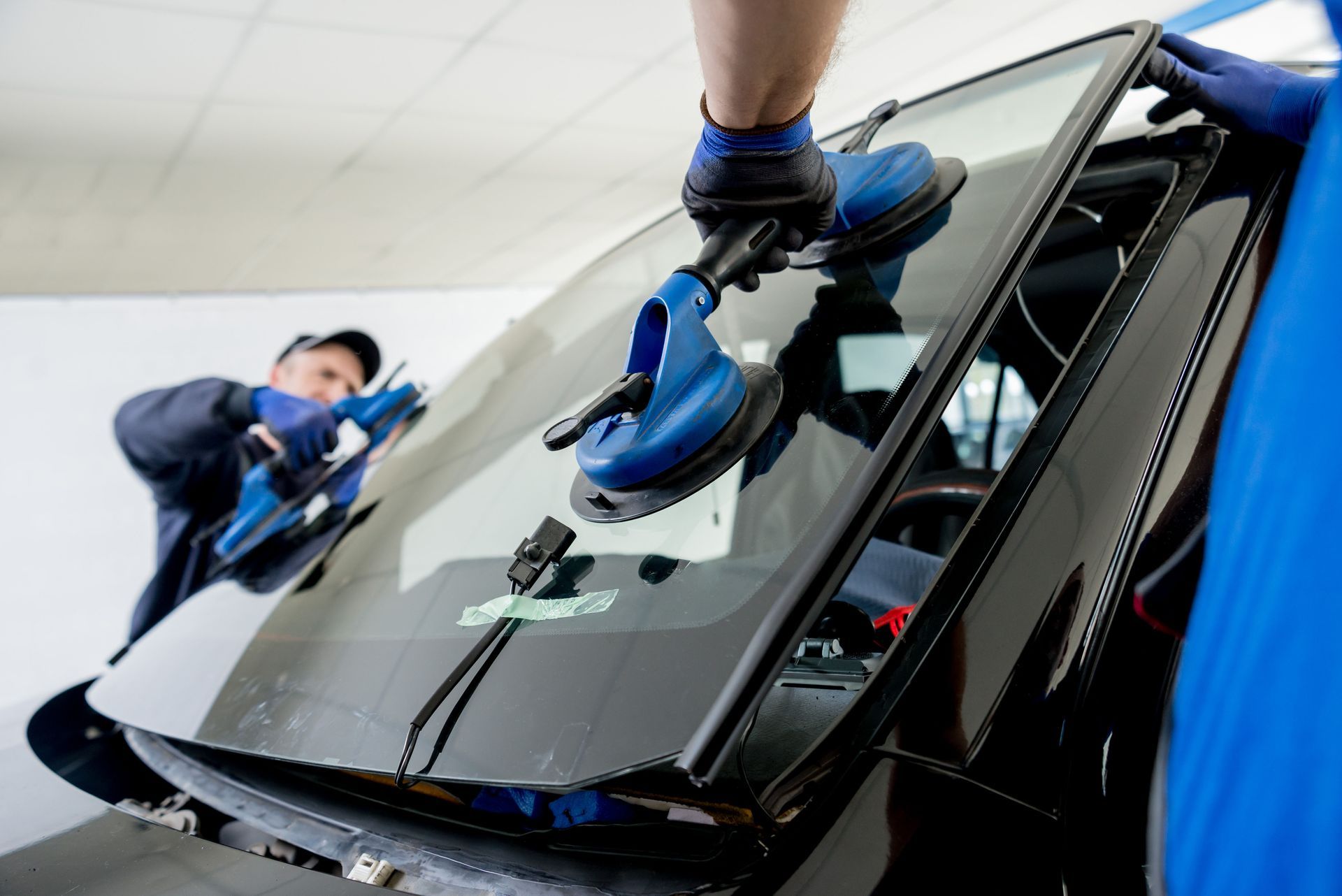
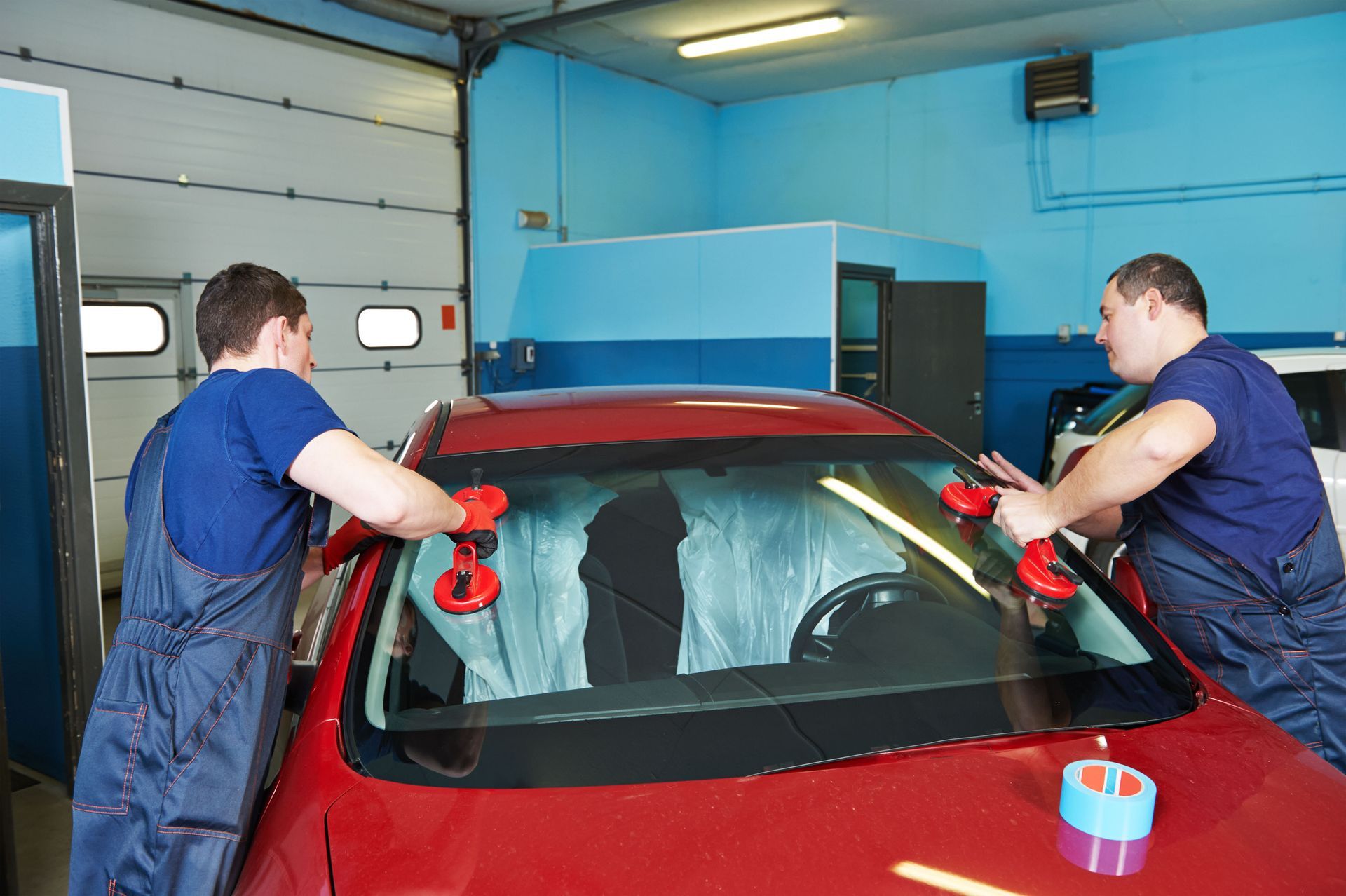
Windshields are no longer just protective barriers—they are integral to the function of many ADAS features. Cameras and sensors are often mounted directly to the windshield, meaning any replacement can alter their positioning. Even slight variations in glass thickness or installation angle can affect system accuracy.
Because of this, recalibration is required to ensure that all components are aligned correctly after installation. This process restores the system’s ability to interpret data accurately and respond appropriately to driving conditions.
Skipping this step can compromise the entire ADAS network. Drivers may not immediately notice issues, but over time, inaccuracies can lead to dangerous situations. Recalibration ensures that the vehicle continues to operate as designed, maintaining both safety and performance.
Consequences of Skipping Recalibration
Neglecting recalibration after windshield replacement can have immediate and long-term effects. In the short term, systems may provide incorrect warnings or fail to activate altogether. Adaptive cruise control may misjudge distances, and lane assist features may not function properly.
Over time, these inaccuracies can strain system components, leading to costly repairs or replacements. Insurance complications may also arise if an accident occurs and the system is found to be improperly calibrated. In some cases, warranties may be voided if recommended procedures are not followed.
There are also legal implications. Many regions require vehicles to meet specific safety standards, including properly functioning ADAS features. Failure to recalibrate could result in failed inspections or penalties, making it essential to complete this step after any windshield replacement.
How Windshield Design Has Evolved
Modern windshields are engineered to support advanced technologies, incorporating mounting systems for cameras and sensors. This represents a significant shift from older designs that focused solely on visibility and protection. Today’s windshields are part of a larger safety ecosystem.
Advancements in materials and design allow windshields to securely house sensitive components while maintaining structural integrity. However, this increased complexity also means that installation must be precise. Even small errors can impact system performance, reinforcing the need for professional recalibration.
As automotive technology continues to evolve, windshields will play an even greater role in supporting safety systems. Proper maintenance and calibration will remain essential to ensuring these advancements deliver their intended benefits.
Safety Implications of Misalignment
Misaligned sensors and cameras can significantly reduce the effectiveness of ADAS features. Systems may respond too late, provide inaccurate data, or fail to activate altogether. This can create dangerous situations, especially in high-speed or high-traffic environments.
Driver confidence can also be affected. When systems behave unpredictably, drivers may hesitate or make incorrect decisions. Over time, this can erode trust in the vehicle’s safety features, increasing reliance on manual driving alone.
From a technical perspective, misalignment can place additional stress on system components. Continuous attempts to compensate for inaccuracies may lead to premature wear or failure. Recalibration helps prevent these issues by restoring proper alignment and functionality.
Recalibration ensures that all systems function as intended, reducing the risk of accidents, maintaining compliance with regulations, and protecting the vehicle's long-term performance. Skipping this step can lead to safety hazards, financial consequences, and legal complications. For any vehicle equipped with ADAS, recalibration after windshield replacement is an essential step that should never be overlooked. Contact Auto Glass Plus Inc today for more information.