January 26, 2026
Addressing a cracked windshield promptly is crucial for ensuring the safety and functionality of your vehicle, and seeking local auto glass repair early can prevent minor damage from escalating. A seemingly minor crack can quickly escalate into a serious safety hazard if left unattended. This article explores the various reasons why you should never ignore a cracked windshield, highlighting the risks and consequences involved.
Identifying the Safety Risks of a Cracked Windshield
Compromising Structural Integrity
Your windshield is an integral part of your vehicle's structural integrity, providing support to prevent the roof from collapsing in a rollover accident, which is why timely local auto glass repair is so important. A crack compromises this strength, making your vehicle less safe. Even a small crack can weaken the windshield's ability to absorb impacts, increasing the risk of serious injury in an accident. In our experience, the windshield is 60% of the structural integrity; neglecting a crack can seriously undermine your safety on the road. Regular checks can help identify minute cracks before they become significant problems.
Impeding Visibility
Cracks in a windshield can create serious visual obstructions that interfere with a driver’s ability to see the road clearly, a common issue addressed by local auto glass repair professionals. When light strikes a crack, it refracts unevenly, which can be highly distracting and worsen glare, particularly during bright sunlight, nighttime headlights, or other high-contrast lighting conditions. These visibility issues become even more dangerous in heavy rain or when the sun is low on the horizon, as distorted light can delay reaction time and impair judgment. Clear visibility is critical for making split-second driving decisions, especially in adverse weather or dense traffic. Addressing even minor windshield damage promptly helps reduce these risks and supports overall road safety. According to The Zebra, US federal law states that vehicles must have a windshield that is free of discoloration or damage in the driver’s view, except for a two-inch top border and one-inch side borders.
Increasing the Risk of Shattering
A cracked windshield is more prone to complete shattering than an intact one, especially when subjected to sudden temperature changes or impact. If left unattended, such a windshield could collapse unexpectedly, endangering both the driver and passengers. Road vibrations and simple hurdles like a speed bump could exacerbate the crack, leading to a sudden fracture. Stress fractures from temperature variance further add to this risk. Preventive maintenance ensures that a minor issue doesn't escalate into a catastrophe.
Recognizing Environmental Conditions that Worsen a Crack
Experiencing Temperature Fluctuations
Varying temperatures can have a substantial impact on the progression of windshield cracks. As glass expands and contracts with temperature changes, minor imperfections can develop into significant flaws. Extreme cold or heat conditions exacerbate this phenomenon, accelerating crack growth. Regular inspections when temperature changes are dramatic can help catch and address the problem early. Monitoring temperature effect diligently is preventive action aimed at maintaining a long-lasting, crack-free windshield.
Allowing Moisture Infiltration
Water seepage into existing cracks worsens windshield damage over time. Moisture penetration promotes glass delamination, weakening the bonded layers that provide structural cohesion. This detrimental effect is more pronounced when combined with freeze-thaw cycles, which expand water within cracks, further escalating damage. Preventative measures such as parking in sheltered areas or addressing small cracks quickly can mitigate this issue. Keeping your windshield crack-free guards against vulnerability to moisture-related deterioration.
Enduring Road Vibrations
Normal vibrations from road surfaces can progressively worsen existing windshield cracks. As the structure of the glass is compromised, vibrations facilitate the further spread of damage, decreasing the integrity of the windshield over time. Avoiding rough terrain, when feasible, and addressing minor imperfections promptly can protect against exacerbation. Reduced vibrations contribute towards prolonging the lifespan and safety of your windshield. Remaining vigilant about road conditions and vehicle vibrations is a proactive approach to windshield care.
Allowing Expansion from Dirt and Debris
Dirt and debris in windshield cracks expand over time, promoting further damage due to additional stress and structural pressure. Clearing any obstruction is a vital part of regular vehicle maintenance to avoid crack progression. Regular cleaning and prompt repairs prevent temperature and pressure fluctuations that exacerbate crack expansion. Keeping the windshield surface free from obstruction maintains its clarity and longevity. Proactive cleaning routines can mitigate lesser-known triggers of windshield deterioration.
Facing the Impact of Heavy Precipitation
Heavy rain or snow can exacerbate existing windshield cracks by introducing water into the cracks. This moisture, especially in conjunction with freezing conditions, can worsen damage through expansion-contraction cycles. Ensuring the windshield's integrity before anticipated heavy precipitation minimizes the risk of deterioration. Timely crack repairs and using protective countermeasures are effective strategies for shielding your windshield from weather-related damage. Awareness of the potential impact of weather conditions on your vehicle ensures continued safety and visibility on the road.
Exploring Technological Advances in Windshield Repair
Using Resin Injection Techniques
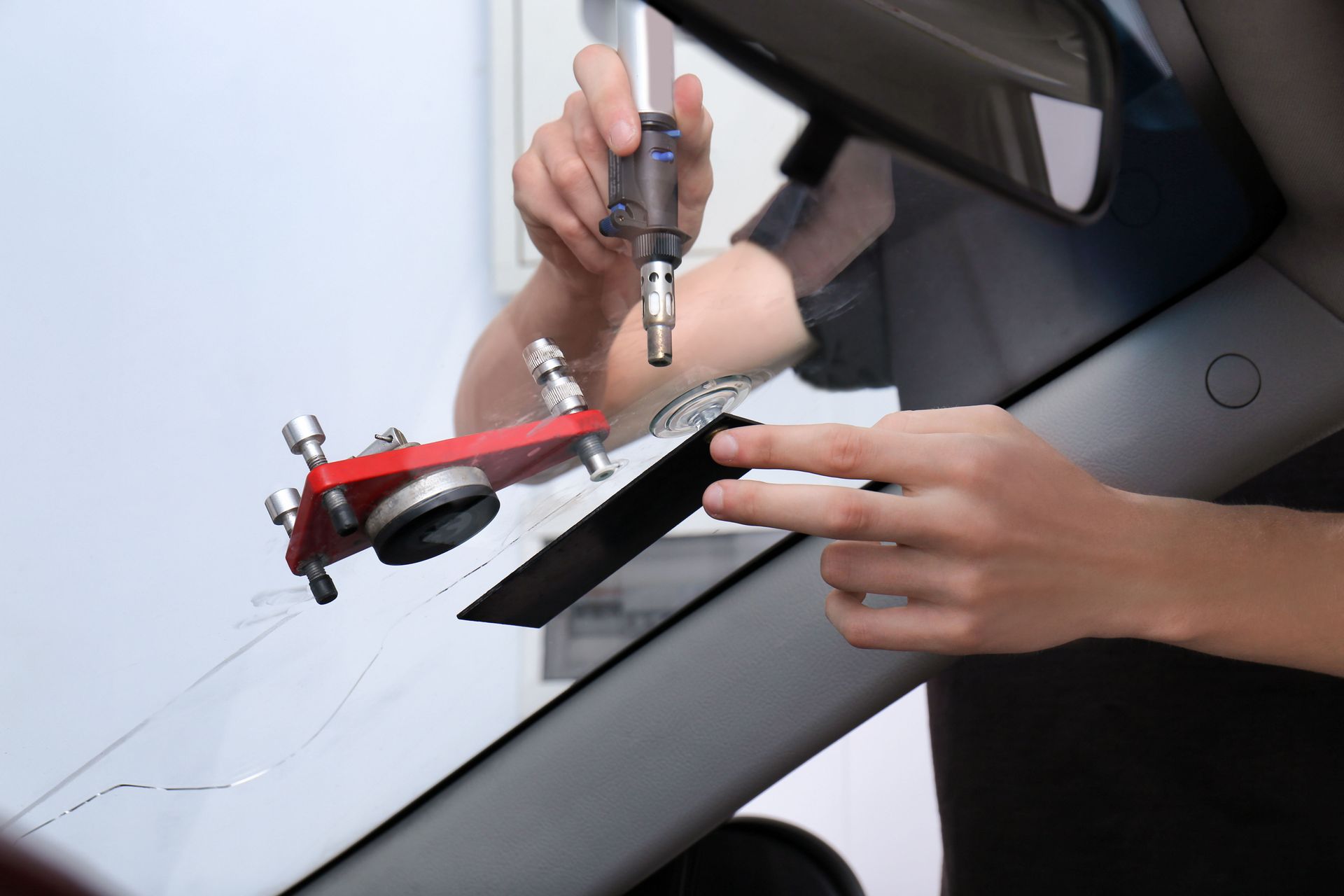
Modern resin injection techniques fill windshield cracks, restoring structural integrity by sealing imperfections, a standard approach used in local auto glass repair. The injected resin bonds well with the original glass, preventing further escalation of damage. This method allows for swift repair, often completed within an hour, reducing downtime for the vehicle owner. Adopting these advanced repair techniques can forestall costly replacements, preserving glass condition. The development ingenuity resonates with a broader emphasis on sustainability and cost-effectiveness in vehicle maintenance.
Applying UV Light Curing Processes
Importance of curing resin with UV light lies in optimizing its durability and adherence to glass surfaces. The rapid curing specifically accelerates the repair process, enabling improved time efficiency and fewer disruptions. Utilizing natural sunlight or specialized UV lamps ensures proper hardening of the resin, enhancing strength. Effectively using UV light to cure resin mitigates future fracturing and optimizes the longevity of repairs. This technological feat aligns advanced repair capacity with high efficiency and reliability.
Comparing Laminated vs. Tempered Glass Solutions
Modern vehicles primarily use laminated glass for windshields, while tempered glass is often used in other window components. Laminated glass offers enhanced safety due to its bonded interlayer, which holds pieces together if shattered. Understanding these differences can guide informed decisions on repairs, replacements, and vehicle purchase. The choice between glass types affects durability, safety ratings, and repairability, reflecting advancements in automotive safety standards. Knowing your vehicle's glass type informs both repair strategies and safety expectations.
Taking Steps When You Notice a Crack
Assessing the Damage
Upon noticing a crack, the first step is a thorough assessment to determine its size, location, and potential risk. Immediate documentation with photographs can provide a beneficial record for insurance purposes. Consulting an expert can help gauge whether the crack is eligible for a simple repair or requires full replacement. With cracks larger than a dollar bill, replacement is typically advised due to structural considerations. Prompt assessment enables informed decisions, reducing potential for future complications.
Choosing Between Repair and Replacement
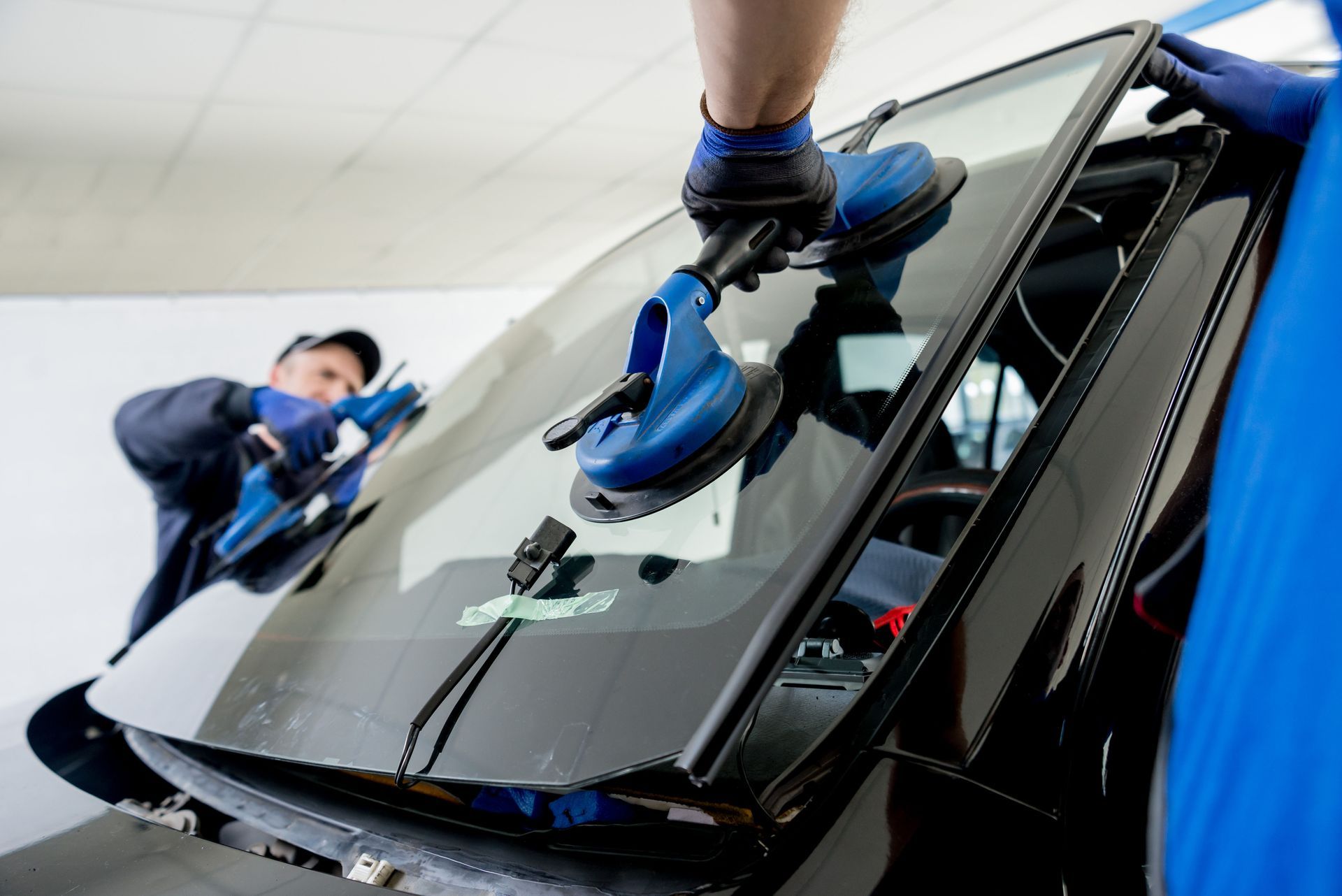
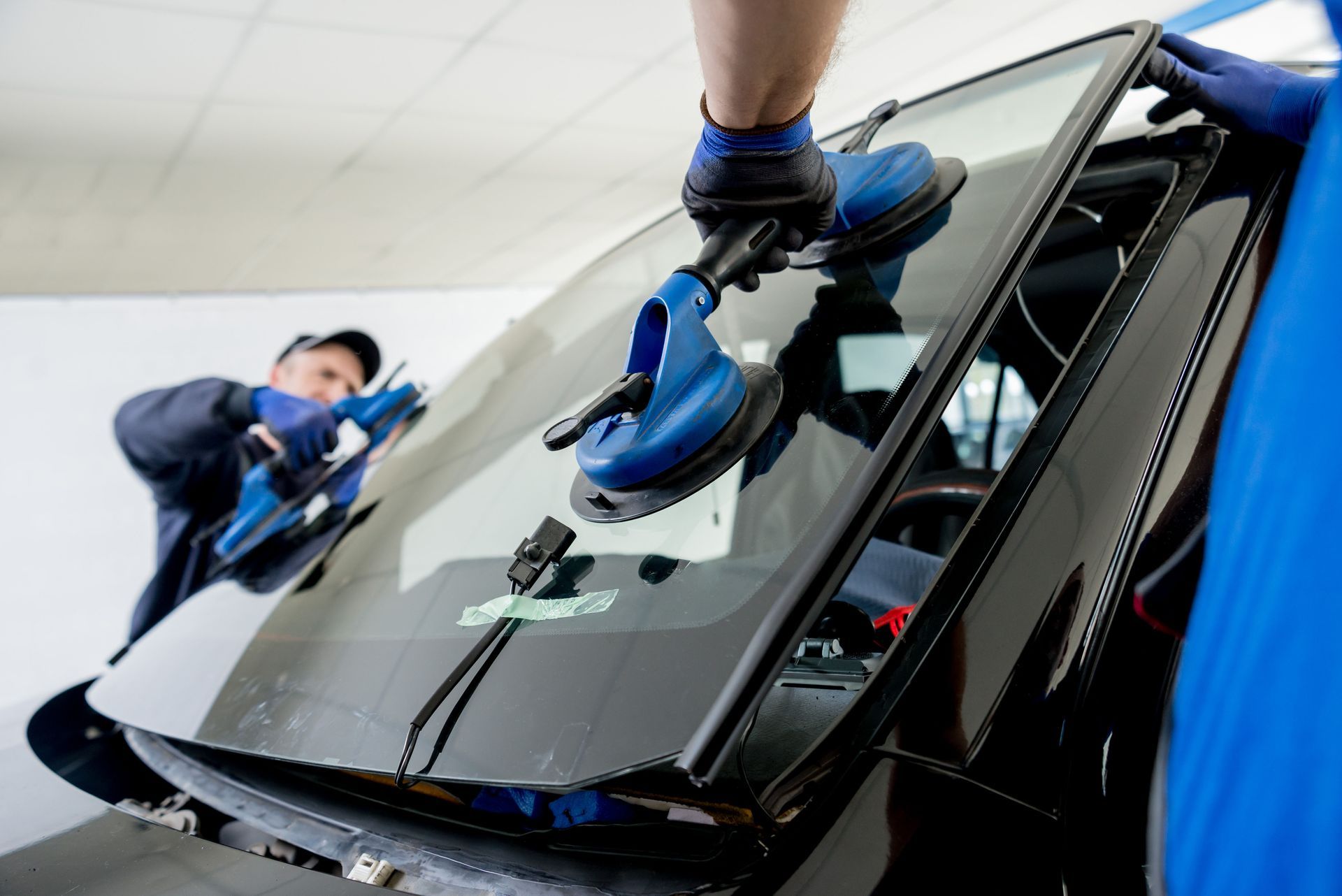
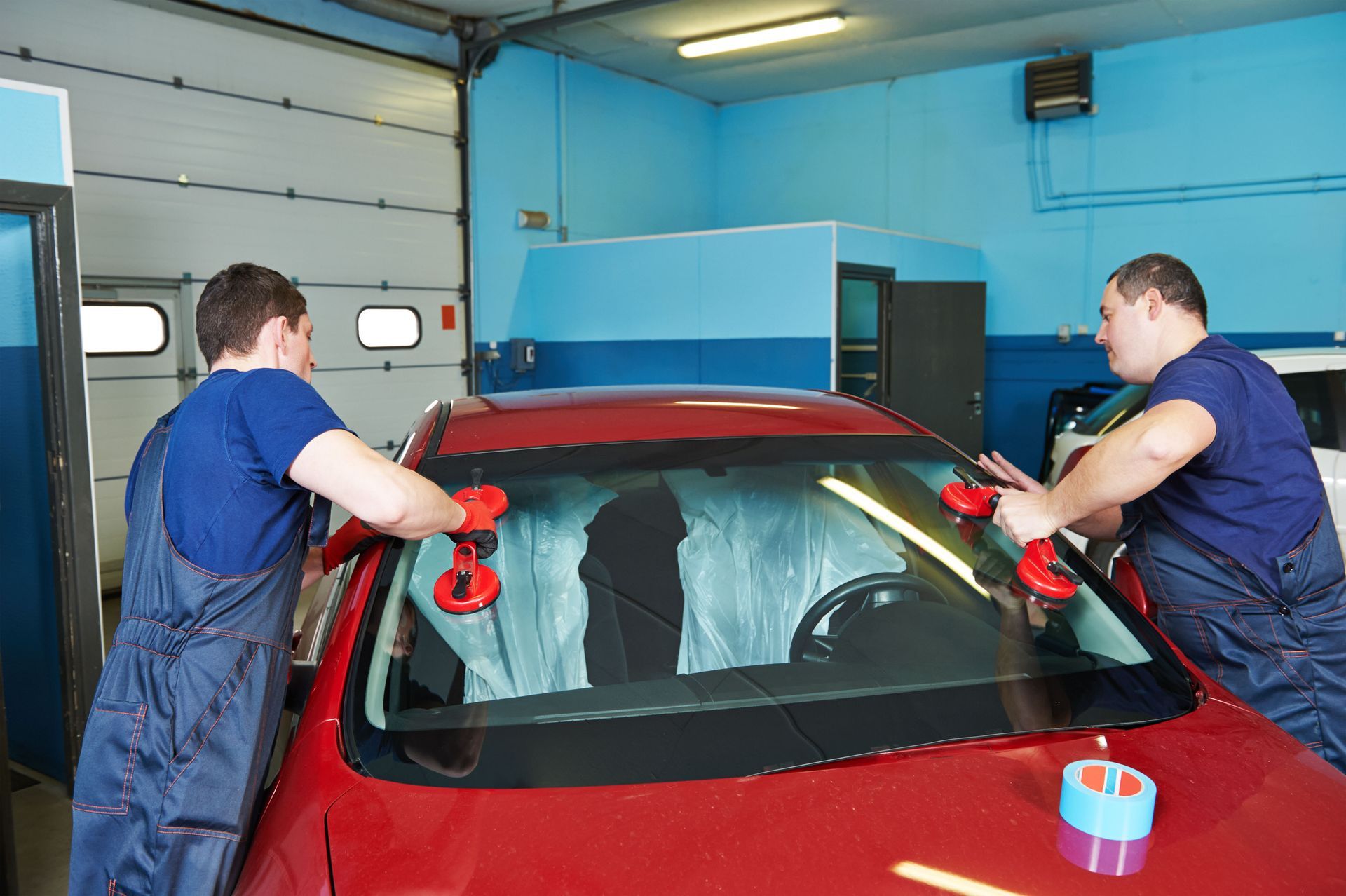
Deciding between repairing or replacing a windshield depends on the crack's size, severity, and location. Repairs are typically sufficient for minor chips or cracks, while larger damage often necessitates replacement to ensure safety. Consulting experts for an honest evaluation of repair vs. replacement options guides appropriate actions. Evaluating cost-benefit analyses further aids in determining the most viable course of action. Informed decisions about repair or replacement can balance cost against maintaining stringent safety standards.
Don’t let a small crack turn into a costly safety issue. Auto Glass Plus Inc is here to help with reliable, professional local auto glass repair you can trust. Whether you need a quick repair or a full windshield replacement, our experienced team is ready to restore your visibility and keep you safe on the road. Contact Auto Glass Plus Inc today to schedule your service and protect your vehicle before the damage gets worse.